Today
Global EditionS&P 5005,983.99▲ +0.42%
NASDAQ19,281.40▲ +0.55%
FTSE 1008,422.10▲ +0.28%
NIKKEI38,642.91▲ +0.78%
BTC91,420.00▲ +1.85%
CRUDE OIL72.40▼ -0.35%
GOLD2,680.50▲ +0.15%
S&P 5005,983.99▲ +0.42%
NASDAQ19,281.40▲ +0.55%
FTSE 1008,422.10▲ +0.28%
NIKKEI38,642.91▲ +0.78%
BTC91,420.00▲ +1.85%
CRUDE OIL72.40▼ -0.35%
GOLD2,680.50▲ +0.15%
Half of all US states have no laws around vehicle camera surveillance
2 min read
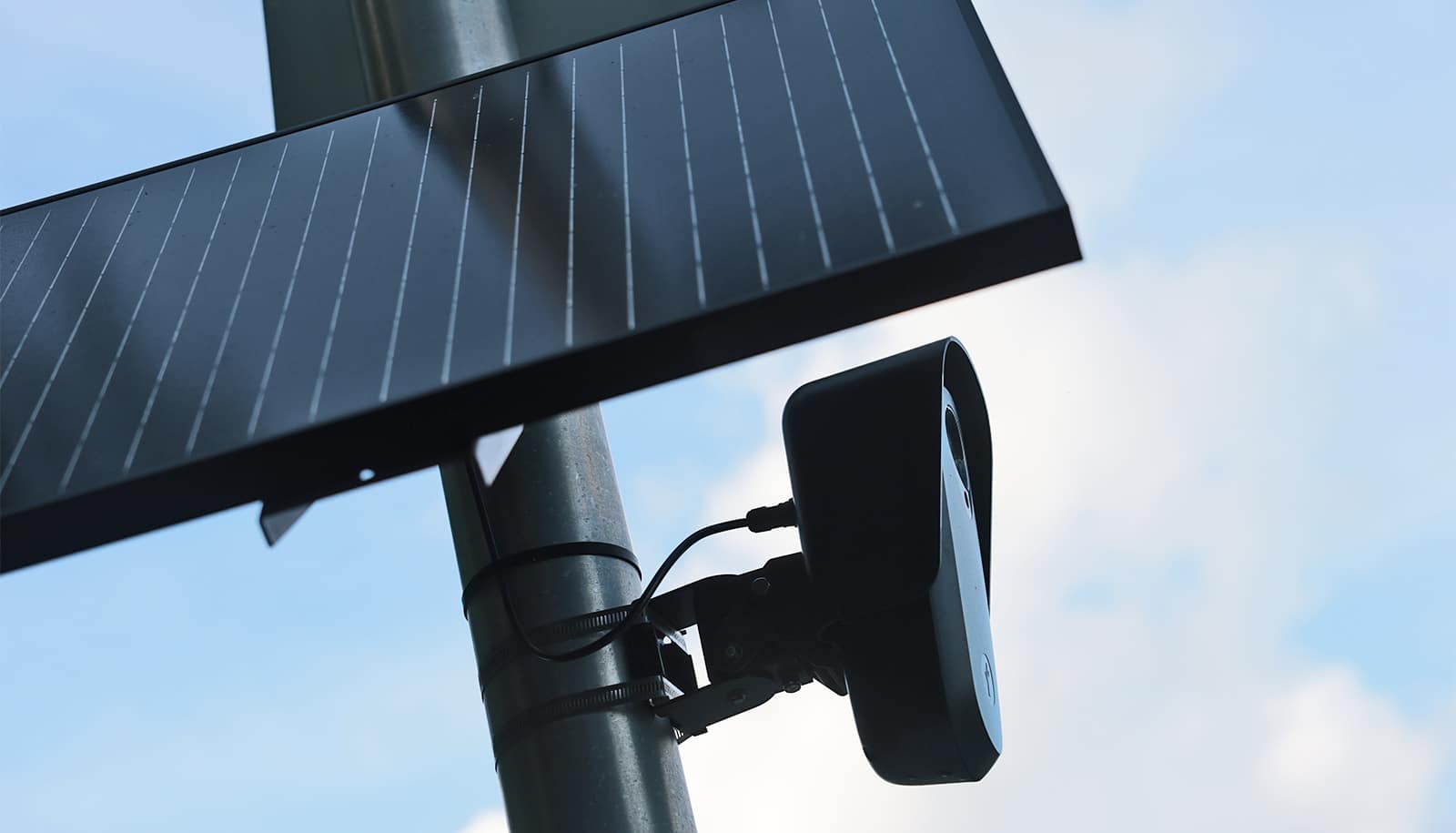
In September, Flock—the company that produces cameras that monitor car traffic—made headlines when one of its instruments was hacked and the collected data of 50,000 vehicles was stolen.
Just weeks prior, Texas Governor Greg Abbott barred state agencies from spending funds on Flock cameras and the state of Florida announced the ban of them on state-maintained roads.
Flock is one brand name for a broader and increasingly controversial camera technology: automated license plate readers, or ALPR. These special cameras use artificial intelligence software to take photos of vehicles and collect information such as their license plate numbers, make, model, and color. The company also provides a service called “hot lists,” which allow a Flock camera owner to make custom groupings of information—like specific license plate numbers or cars that have distinctive features, like a missing tail light—without any driver’s knowledge. They’ve been lining roads across thousands of cities and most states in America, with an especially significant presence since 2024.
“We call them vehicle surveillance systems because we think it’s inaccurate to call them license plate readers,” says Max Isaacs, director of technology law and policy at the NYU School of Law’s Policing Project.They’re surveillance systems with far greater capabilities than just reading license plates.”
The Policing Project, which works with communities and public safety departments around the US to promote accountability and transparency in policing, has been a longtime advocate for the regulation of ALPRs. One recent effort is a comprehensive scorecard for state legislation regulating ALPRs, which revealed that half of all US states have no laws regulating the use of ALPRs or the data they collect. Of the 25 states that have such laws, many fail to address key issues such as privacy, data sharing, and false positives.
Here, Isaacs and Barry Friedman, the Policing Project’s founder and faculty director, answer questions to help you better understand these camera systems—including their potential for abuse and avenues for regulation:
The post Half of all US states have no laws around vehicle camera surveillance appeared first on Futurity.
50
Related Articles
Futurity·1d ago
Why forest fires often break out at the same time across Europe
A new study reveals the weather patterns that trigger simultaneous forest fires across multiple regions in Europe. Firefighting aircraft, helicopters, fire brigades—when forests across Europe are burning at the same time, the limited firefighting resources have to be allocated efficiently, and ideal…

Futurity·1d ago
Different winegrape types react similarly to drought
Winegrape growers have long sought varieties that can better withstand dry climates and deficit irrigation. But new research from scientists at Washington State University suggests that a grapevine’s variety may matter less than previously thought when it comes to drought tolerance. “Our results go…

Futurity·1d ago
New approach tracks e-cigarette damage to respiratory system
Researchers have developed a new way to evaluate pathological changes and cellular remodeling caused by inhaled aerosols, such as those from electronic cigarettes. The approach could help researchers measure how much airway damage different e-cigarette products cause and identify people who are most…

Futurity·1d ago
Little red dots could hold the key to the first black holes
Researchers searching the expanse of the universe for the existence of the first black holes are zeroing in on little red dots that may hold the key to the theoretical phenomenon. Using data from the James Webb Space Telescope, researchers from Johns Hopkins University have tested whether one specif…