SpaceX Falcon 9 rocket launches 27 Starlink satellites, lands on ship at sea (video)
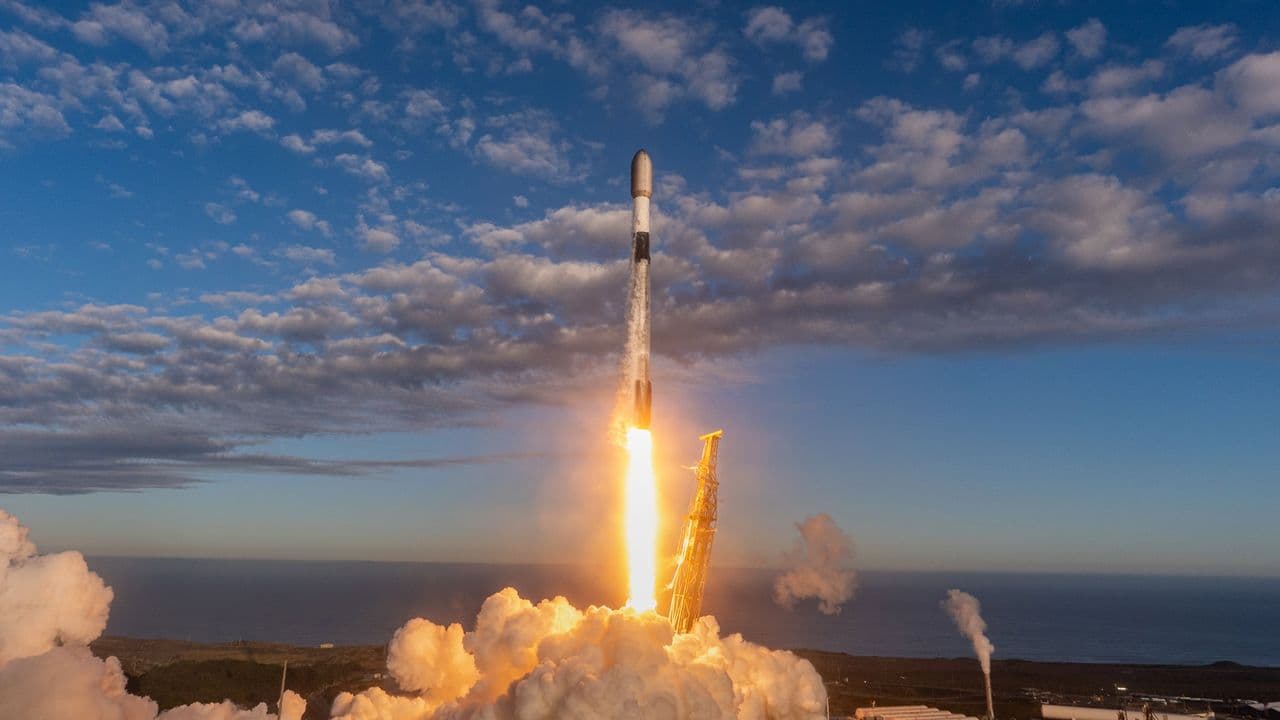
SpaceX launched 27 more of its Starlink internet satellites to orbit today (Sept. 6).
4 min read
Executive DigestOriginal Reporting by Space.com
This is a curated overview of the story reported by Space.com. Full text remains copyright of the publisher.
Read Full Story on Space.com →SpaceX launched 27 more of its Starlink internet satellites to orbit today (Sept. 6).
The spacecraft rode to low Earth orbit (LEO) atop a Falcon 9 rocket, which lifted off from California's Vandenberg Space Force Base at 10:26 a.m. EDT (1426 GMT; 7:26 a.m. local California time). The Falcon 9 rose into blue morning skies — something of a rarity for California's central coast, which is often cloaked in fog.
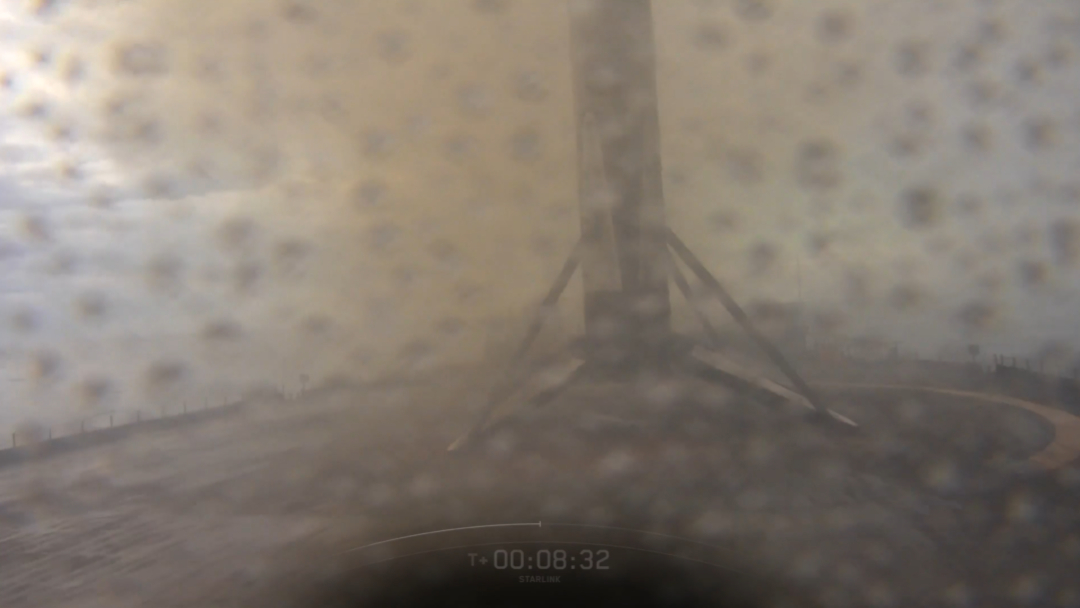
The Falcon 9's first stage came back to Earth as planned 8.5 minutes later, landing in the Pacific Ocean on the SpaceX drone ship "Of Course I Still Love You."
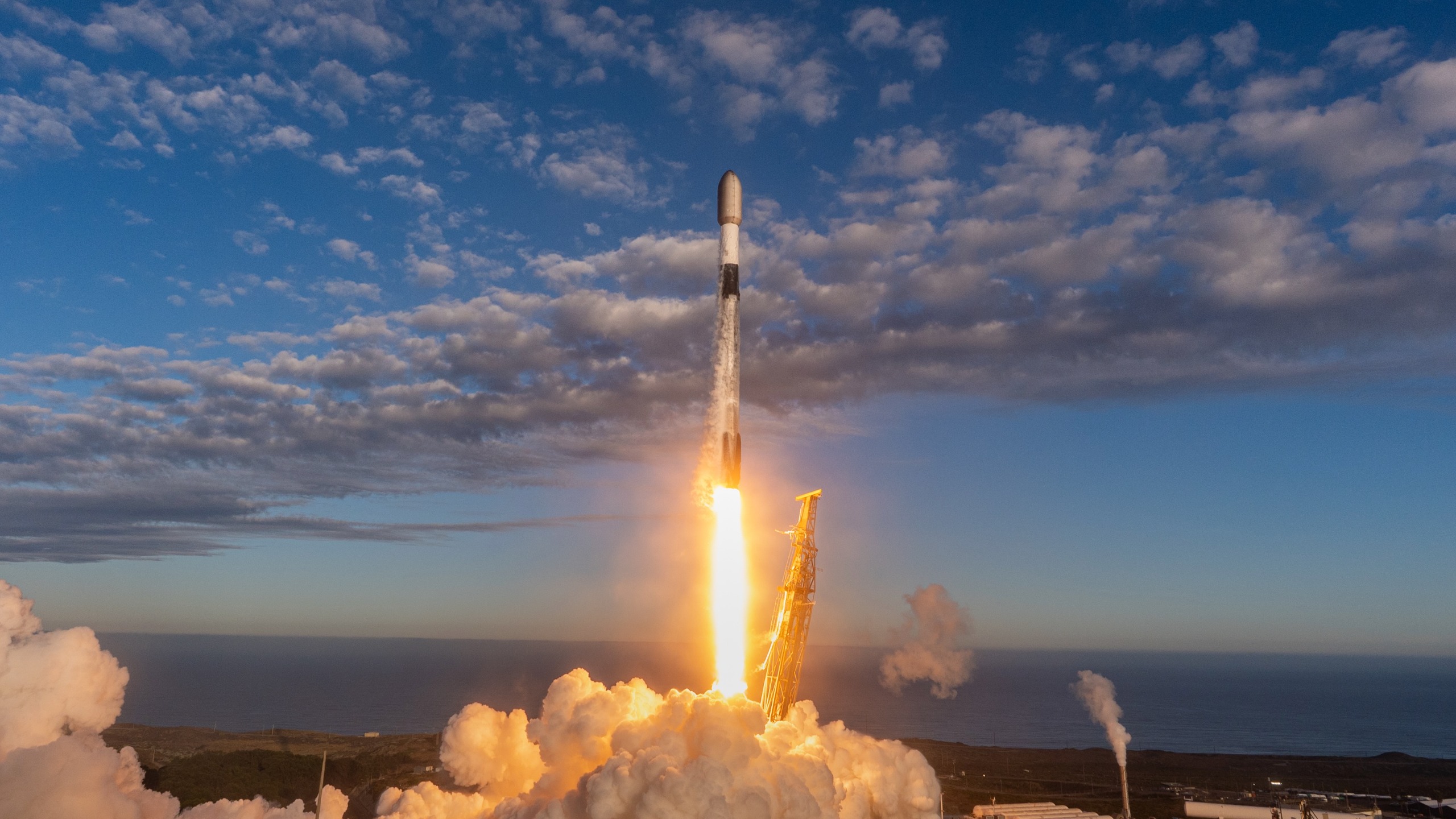
It was the 19th flight for this particular booster, which is designated B1088. This marks about the halfway point to the SpaceX record of 37 flights, which was set by B1067 during a Starlink launch on Aug. 25.
The Falcon 9's upper stage, meanwhile, carried the 27 Starlink satellites to LEO, deploying them on schedule 62 minutes after launch.
Previous Booster 1088 launches
NROL-126 | Transporter-12 | SPHEREx | NROL-57 | 13 Starlink missions
Today's launch was the 103rd Falcon 9 mission of 2026. Eighty of those flights have been dedicated to building out the Starlink megaconstellation, by far the largest satellite network ever assembled. It currently consists of more than 11,000 active spacecraft, according to astronomer and satellite tracker Jonathan McDowell.
Starlink missions fly exclusively out of Vandenberg these days. SpaceX used to launch them from Florida as well, but the company recently put those missions on hold until it gets its Starship megarocket up and running on the Space Coast.
SpaceX will rely on Starship to launch its next-gen Starlink V3 satellites, which are bigger and more capable than the current V2. The company wants to assemble a network of about 100,000 Starlink V3s in LEO, Elon Musk has said.
20
Related Articles

Phys.org·16h ago·Science
High-resolution weather data could pinpoint neighborhoods facing greatest heat stress
Heat stress is a leading cause of weather-related deaths and can be especially dangerous in cities, where phenomena like urban heat islands drive temperatures higher than in surrounding rural areas. Now, a new dataset developed by the U.S. National Science Foundation National Center for Atmospheric…

Phys.org·17h ago·Science
New species of 240-million-year-old prehistoric animal could reshape dinosaur origins timeline
A new prehistoric animal species from Tanzania dating to around 240 million years ago, during the Triassic period, has been described by an international team of researchers. Led by the University of Bristol, the new species, named Dinodontosaurus isiyavamanda, could help scientists refine the age o…

Phys.org·17h ago·Science
Weather forecasts are significantly less accurate in poorer countries, analysis finds
Weather forecasts inform countless everyday decisions—from farmers deciding when to sow crops and energy companies anticipating demand to public authorities preparing for heat waves. But how useful those forecasts are depends considerably on where people live.

Phys.org·17h ago·Science
Young, eco-anxious Canadians are the most likely to support disruptive tactics by environmental activists, study finds
The tolerance of individual Canadians for radical forms of environmental activism depends on several factors. Overall, however, Canadians do not support vandalism or violence as forms of protest. Those are the key findings of a new study by researchers from McGill University and Université Laval. Th…